
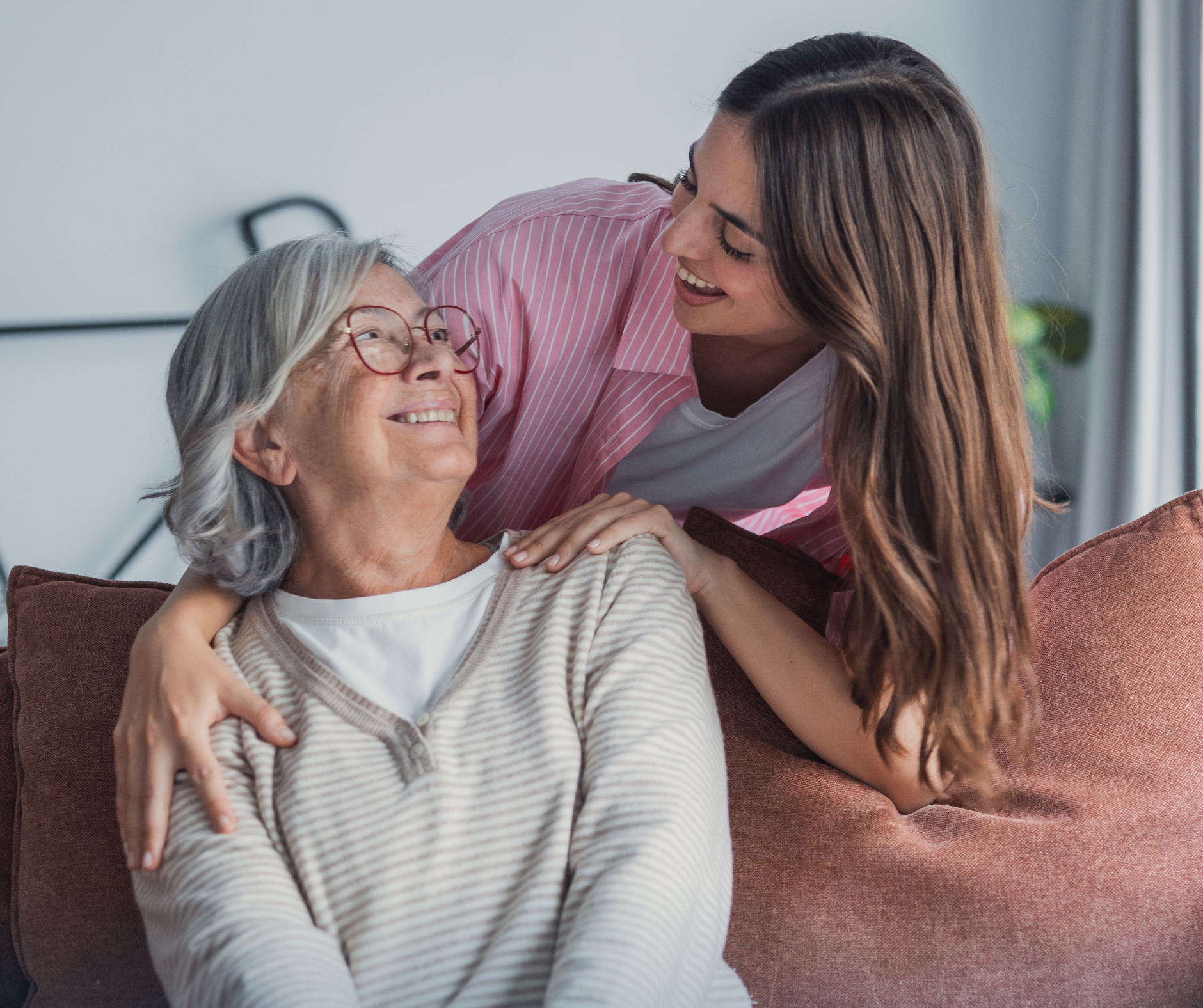
How do we make healthcare more affordable and effective? The U.S. is feeling the impacts of a healthcare crisis on so many fronts now. At BeneLynk, we know that one of the most effective ways to answer these questions is to support people in living and receiving the support they need in their own home. A new study, published in the JAMA Health Forum, confirms an intuitive fact – investment in home and community-based services is associated with improved aging-in-place outcomes for older adults with functional limitations.1
Background
America's aging population is reshaping healthcare. By 2030, more than one in five Americans will be age 65 or older, increasing demand for long-term services and supports. Research consistently shows that most older adults prefer to remain in their homes rather than move into institutional settings, as suggested in an Alignment Health survey published late last year.2
Recognizing this preference, states have steadily expanded investments in home- and community-based services through Medicaid. These services help eligible individuals receive assistance with activities of daily living and personal care in their homes and communities rather than in nursing facilities.
Key Findings
Researchers analyzed data from more than 7.3 million older adults between 2009 and 2021 to examine how state investments in HCBS influenced aging-in-place outcomes. Findings show that states that devoted a larger share of long-term services and supports (LTSS) spending to HCBS saw older adults with functional limitations:
- Less likely to reside in institutional or group living settings
- Less likely to move in with adult children
- More likely to remain in the same home
- Less likely to relocate within or outside their state
Beyond helping older adults remain safely and independently at home, expanding access to HCBS can also reduce healthcare expenditures. One study found that Medicare-eligible individuals who utilized home health services had approximately $3,600 lower medical expenses per month than comparable individuals who did not receive home health services. In addition to lowering costs, supporting care at home has also been associated with fewer institutional admissions, reduced emergency department utilization, and fewer 90-day hospital readmissions.3
Why This Matters for Health Plans
For health plans, the findings are another reminder that helping older adults remain at home takes more than traditional medical care. Members often need help accessing the benefits and services that make independent living possible. Yet eligible individuals may be unaware of the long-term services, Medicaid benefits, and community resources available to them. Others struggle to navigate complex eligibility requirements or complete the enrollment process on their own. As a result, opportunities to intervene early are often missed, increasing the likelihood of avoidable institutional care, caregiver burden, and poorer health outcomes.
How BeneLynk Supports Aging in Place
For over a decade, BeneLynk has helped health plans connect eligible members with the benefits and community resources that support healthier, more independent lives. Helping older adults remain safely at home often starts with identifying unmet needs. Through personalized advocacy, BeneLynk helps connect eligible individuals with Medicaid long-term services and supports, nutrition assistance, Veteran benefits, and other community resources. Timely access to these services can mean the difference between remaining independent or requiring institutional care. As health plans continue to invest in whole-person care, ensuring members receive the benefits they qualify for becomes an increasingly important strategy for supporting aging in place.
BeneLynk's Home Lynk™ solution helps health plans identify members who may qualify for Medicaid long-term services and supports, engage them through personalized advocacy, and guide them through often-complex eligibility and enrollment processes. Experienced advocates work one-on-one with members to remove barriers, coordinate documentation, and help them access the services that allow them to remain safely and independently at home. Once enrolled, BeneLynk continues supporting members through benefit maintenance and ongoing advocacy, helping ensure they continue receiving the support they need.
By combining intelligent member identification with compassionate advocacy, Home Lynk helps health plans reach more eligible members and facilitate access to services that improve health outcomes and quality of life.
Looking Ahead
The JAMA Health Forum study reinforces what many healthcare organizations already recognize: expanding access to home- and community-based services helps older adults remain where they want to be — at home.
Helping more older adults age in place begins with ensuring they can access the benefits and services available to them. Learn how BeneLynk's Home Lynk™ solution helps health plans identify eligible members, simplify enrollment, and expand access to HCBS that support independent living. Contact us at sales@benelynk.com to learn more.
Sources
- Schilling, G. J., et al. "Home- and Community-Based Services Spending and Living Arrangements Among Older Adults." JAMA Health Forum. Published July 2, 2026. https://doi.org/10.1001/jamahealthforum.2026.2064
- Alignment Health. "2025 Social Threats to Aging Well in America." Alignment Health, Published September 23, 2025. https://www.alignmenthealth.com/newsroom/blog-posts/2025-social-threats-to-aging-well-in-america
- Evaluation of Home Health Expenditures in a Medicare Eligible Population. Wakely Consulting Group. August 2025